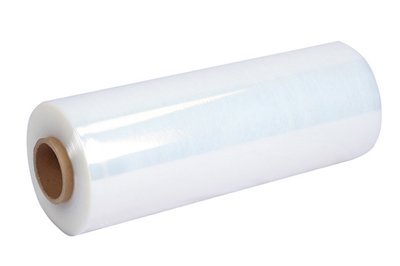
Introduction to PE Shrink Film
What is PE Shrink Film?Polyethylene (PE) shrink film is a versatile plastic material widely used in packaging industries for its excellent protective properties. It is a type of shrink film made from polyethylene, a polymer known for its durability, flexibility, and ability to shrink when heat is applied. PE shrink film is used in a wide range of protective packaging applications. Polyethylene shrink film is very elastic. It possesses a range of various other benefits like tear-resistance and high tensile strength.
The Chemical Composition of PE Shrink Film
PE shrink film is primarily composed of polyethylene, a thermoplastic polymer made from the polymerization of ethylene. The most common types of polyethylene used in shrink films are Low-Density Polyethylene (LDPE) and Linear Low-Density Polyethylene (LLDPE). LDPE offers flexibility and toughness, while LLDPE enhances strength and puncture resistance. These properties make PE shrink film suitable for a wide range of packaging needs.
Manufacturing Process of PE Shrink Film
The production of PE shrink film involves several steps:
- Extrusion Process: Polyethylene resin is melted and extruded through a die to form a continuous film.
- Orientation and Shrinkage: The film is stretched and oriented in both machine and transverse directions, imparting shrink properties.
- Cooling and Winding: The film is cooled, and then wound into rolls for further processing or packaging.
Types of PE Shrink Film
PE shrink films come in various types, each offering specific benefits:
- Cross-Linked PE Shrink Film: Enhanced strength and puncture resistance, ideal for heavy-duty applications.
- Non-Cross-Linked PE Shrink Film: More flexible and cost-effective, suitable for general packaging.
- Multilayer PE Shrink Film: Combines different polyethylene layers to optimize performance for specific uses.
Applications of PE Shrink Film
PE shrink film offers numerous benefits, including:
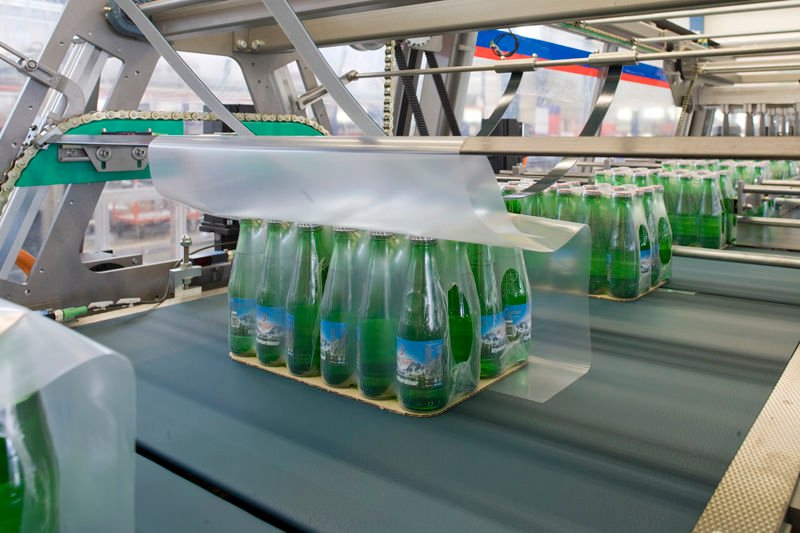
It is widely used in the whole-piece collective packaging of products such as wine, cans, mineral water, various beverages, cloth, etc. The product has good flexibility, strong impact and tear resistance, is not easy to be damaged, is not afraid of moisture, and has a large shrinkage rate.
Comparison with Other Shrink Films
PE shrink film is often compared with other types of shrink films:
- PVC Shrink Film vs. PE Shrink Film: PE shrink film is safer and more environmentally friendly than PVC, which releases harmful chemicals when burned.
- PET Shrink Film vs. PE Shrink Film: While PET offers higher clarity, PE is preferred for its flexibility and lower cost.
How to Choose the Right PE Shrink Film
Choosing the right PE shrink film depends on several factors:
- Thickness and Shrink Ratio: Different products require different film thicknesses and shrink ratios for optimal protection.
- Application-Specific Requirements: Consider the type of product, transportation conditions, and storage when selecting the film.
Installation and Usage Tips
For best results, proper handling and usage of PE shrink film are essential:
- Proper Handling and Storage: Store the film in a cool, dry place to prevent damage and ensure long shelf life.
- Effective Shrinking Techniques: Use appropriate heat sources and techniques to ensure uniform shrinkage without damaging the product.
Common problems with PE shrink film include:
- Common Defects and Causes: Wrinkles, uneven shrinkage, and tearing can occur due to improper handling or incorrect temperature settings.
- Solutions and Preventative Measures: Adjusting the temperature, handling the film carefully, and using quality materials can prevent these issues.
Conclusion
PE shrink film is a critical material in the packaging industry, offering durability, flexibility, and cost-effectiveness. With ongoing innovations in sustainability and increasing market demand, PE shrink film continues to be an essential component of modern packaging solutions.