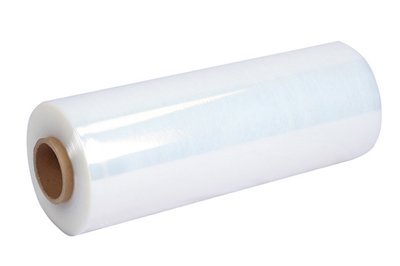
Shrink films are essential in packaging due to their protective qualities, versatility, and ability to enhance product presentation. Among the various types available, Polyolefin (POF), Polyethylene (PE), and Polyvinyl Chloride (PVC) are the most commonly used. This article explores the key differences between POF shrink film, PE shrink film, and PVC shrink film, focusing on their properties, uses, and environmental impacts to guide you in choosing the best shrink film for your packaging needs.

Introduction
Shrink films are widely used across industries for packaging products securely and attractively. They help in protecting items, enhancing their visual appeal, and bundling products together. Choosing the right shrink film depends on understanding the unique characteristics of each type—POF, PE, and PVC—and how they meet specific packaging requirements.
What is Shrink Film?
Shrink film is a plastic film that contracts tightly over the product when heat is applied, creating a snug and protective layer. It is used in packaging to safeguard goods, improve their display on retail shelves, and provide tamper-evident seals. The choice of shrink film material can significantly impact packaging performance and sustainability.
Types of Shrink Films
The most commonly used shrink films include:
- Polyolefin (POF): Known for its clarity and puncture resistance, suitable for food and retail packaging.
- Polyethylene (PE): A versatile, heavy-duty film used for industrial and bulk packaging.
- Polyvinyl Chloride (PVC): Offers high clarity and shrink rate but is less eco-friendly due to its release of toxic fumes.
Overview of POF Shrink Film
Composition and Structure:
POF shrink film is made from a combination of polyethylene and polypropylene, creating a multi-layer film known for its flexibility, clarity, and strength.
Key Features:
- Exceptional transparency and gloss, ideal for retail display.
- Strong puncture resistance, protecting products from external damage.
- Safe for food contact, making it popular in the food industry.
Common Applications:
POF shrink film is commonly used for wrapping food items, toys, books, and other consumer products where presentation and protection are critical.
Overview of PE Shrink Film
Composition and Structure:
PE shrink film is made from polyethylene and is available in various densities, including low-density (LDPE) and high-density (HDPE). It offers a wide range of thicknesses, from 1 mil to over 12 mils.
Key Features:
- Durable and highly resistant to impact, suitable for heavy-duty packaging.
- Flexible and can be used for wrapping large and irregularly shaped items.
- Recyclable, making it a more environmentally friendly option compared to some other plastics.
Common Applications:
PE shrink film is ideal for industrial applications, such as wrapping large pallets, automotive parts, and construction materials.
Overview of PVC Shrink Film
Composition and Structure:
PVC shrink film is made from polyvinyl chloride, a type of plastic known for its excellent clarity and high shrink rate. However, it is less favored today due to environmental and health concerns.
Key Features:
- High shrink rate, allowing for a tight and secure wrap around products.
- Clear and glossy, enhancing the visual appeal of packaged goods.
- Low-cost option but releases harmful fumes during application and disposal.
Common Applications:
PVC shrink film was widely used for packaging CDs, DVDs, software boxes, and other non-food items that benefit from its clarity and tight shrink properties.
Key Differences Between POF, PE, and PVC Shrink Film
Thickness Variations:
POF is available in thin gauges, typically from 35 to 100 gauge, suitable for light to moderate protection.
PE offers a wider range of thicknesses, from 1 mil to over 12 mils, making it suitable for heavy-duty applications.
PVC typically comes in thinner gauges but can be adjusted to provide various levels of shrinkage.
Strength and Durability:
- POF is puncture-resistant and flexible, ideal for packaging delicate items.
- PE provides the most strength and is suitable for industrial and heavy-duty use.
- PVC, while strong, is brittle and can tear easily, especially at lower temperatures.
Environmental Impact:
POF is recyclable and considered safe for food packaging.
PE is also recyclable and offers a more eco-friendly option.
PVC is less environmentally friendly due to the release of toxic chemicals during processing and disposal.
Uses and Applications
POF Applications:
Used extensively in food packaging, toys, books, and any consumer product where appearance and protection are important.
PE Applications:
Best suited for industrial uses, including wrapping heavy goods, bundling large items, and protecting construction materials.
PVC Applications:
Ideal for non-food products requiring tight shrinkage and clear display, though its use has declined due to environmental concerns.
Advantages of POF Shrink Film
- Cost-Effectiveness: An affordable option with a good balance of protection and appearance.
- Superior Clarity and Gloss: Enhances product visibility on retail shelves.
- Puncture and Temperature Resistance: Performs well under a range of conditions, protecting products from damage.
Advantages of PE Shrink Film
- Versatility in Thickness: Suitable for a wide range of applications, from light to heavy-duty packaging.
- High Protection Level: Provides excellent protection against impact, moisture, and other environmental factors.
- Eco-Friendly and Recyclable: A more sustainable choice, with many formulations being fully recyclable.
Advantages of PVC Shrink Film
- High Shrink Rate: Provides a tight, secure wrap around products, which is ideal for non-food items.
- Excellent Clarity: Offers a glossy finish that enhances product appeal.
- Low Cost: An economical option for packaging where environmental impact is not a primary concern.
Environmental Considerations
When choosing shrink films, it is essential to consider their environmental impact. POF and PE are generally more eco-friendly options due to their recyclability and lower emissions during production. PVC, while effective, is less favorable environmentally due to its release of harmful chemicals.
Choosing the Right Shrink Film
To select the appropriate shrink film, consider factors such as product type, packaging environment, cost, and sustainability. POF is excellent for retail and food products, PE is best for industrial and heavy-duty uses, and PVC, though less common today, is suitable for clear, tight wraps on non-food items.
How Shrink Films Impact Packaging Efficiency
Shrink films enhance packaging efficiency by offering secure, protective, and visually appealing wraps that can be applied rapidly with automated machinery. This not only improves product safety but also reduces labor costs and material waste.
Future Trends in Shrink Films
The future of shrink films is moving towards increased sustainability, with innovations focusing on biodegradable materials and those made from recycled content. Advances in material technology are also leading to films that are stronger, lighter, and more cost-effective.
Conclusion
Choosing the right shrink film depends on understanding the specific needs of your product and the packaging environment. POF offers great clarity and is ideal for consumer goods, PE excels in heavy-duty applications, and PVC, while declining in popularity, remains useful for specific non-food packaging. Considering environmental impacts and material properties will help you make the best choice for your packaging needs.
FAQs
What are the main differences between POF, PE, and PVC shrink films?
POF is known for its clarity and flexibility, PE offers superior durability and impact resistance, and PVC provides high shrinkage and clarity but has environmental drawbacks.
Which shrink film is more eco-friendly?
PE is generally the most eco-friendly due to its high recyclability, followed by POF. PVC is less environmentally friendly because of its toxic emissions.
Can PVC shrink film be used for food packaging?
PVC is not recommended for food packaging due to its release of harmful chemicals and lack of FDA approval for direct food contact.
How does the thickness of shrink film affect its performance?
Thicker films, like those made from PE, provide greater protection and durability, while thinner films, such as POF, are better for light packaging and enhanced product display.
Is POF or PE shrink film better for heavy-duty applications?
PE shrink film is generally better for heavy-duty applications due to its thickness and strength, which provide superior protection for large or heavy items.
What are the key benefits of using shrink films in packaging?
Shrink films offer product protection, enhance appearance, provide tamper-evidence, and can be easily applied with automated machinery, improving packaging efficiency.